
Why Your Wedding Seating Chart Is Harder Than You Thought (And How to Make It Easier)
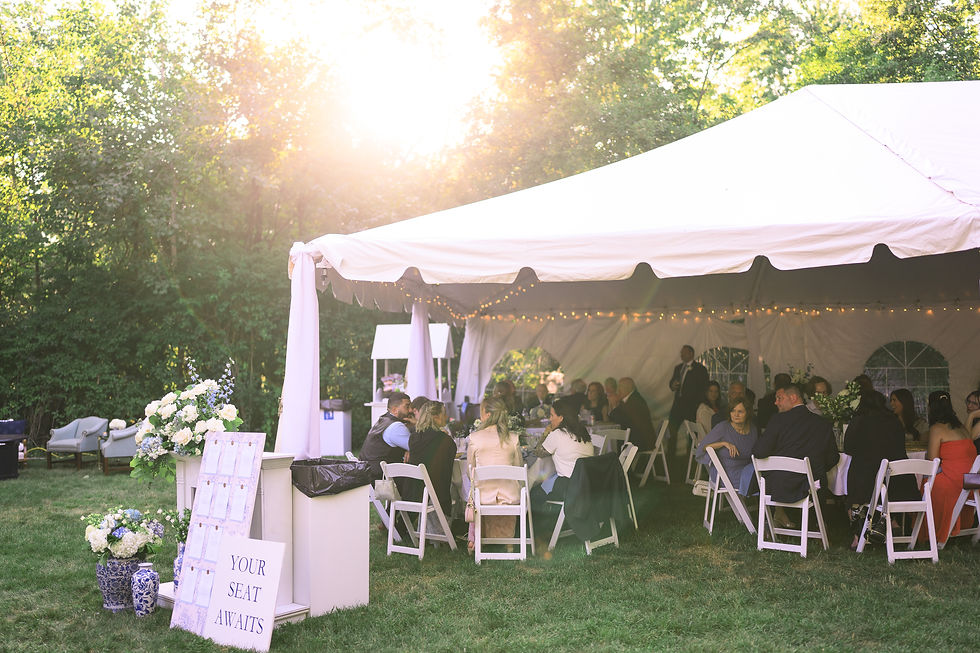
A lot of couples assume the wedding seating chart will feel like one of the final “easy” tasks.
You already have the guest list. You already know the tables. How hard could it really be?
And then suddenly you’re trying to figure out:
who actually knows each other
who thinks they should sit together
who definitely should not sit together
who will feel awkward if they only know one person
which friends will keep the energy up
which relatives need quieter tables
where divorced parents should sit
whether your college friends and work friends should mix
And somehow all of that becomes table assignments.
The reality is:
A wedding seating chart is never really about tables.
It’s about people.
And that’s exactly why it becomes emotional so quickly.
Why Wedding Seating Charts Feel So Complicated
Most wedding planning decisions are logistical.
A seating chart feels personal.
Because unlike florals, linens or signage, seating directly impacts how your guests experience the wedding reception.
People feel seating arrangements immediately.
The energy at a table changes:
how conversations flow
how comfortable people feel
whether guests stay engaged during dinner
how quickly people settle into the room
That’s why a thoughtful wedding seating chart matters so much more than people expect.
Good seating charts usually go unnoticed.
Bad ones absolutely do not.

The Biggest Wedding Seating Chart Mistake Couples Make
One of the biggest mistakes couples make when creating a wedding seating chart is prioritizing symmetry over social dynamics.
Trying to make every table “even” does not always create the best guest experience.
Sometimes the better choice is:
letting certain groups stay together
separating personalities that clash
creating quieter tables for older relatives
building tables around conversation and comfort instead of aesthetics
A wedding reception should feel natural to move through socially.
That matters far more than perfectly balanced tables.
How to Make Your Wedding Seating Chart Easier
1. Start Earlier Than You Think
Couples often wait too long to begin thinking about their wedding seating chart.
But the earlier you start organizing guest groups, the less stressful the final adjustments become.
You do not need finalized RSVPs to start mapping:
family groups
friend groups
guest dynamics
VIP seating
Starting early gives you more flexibility later.
2. Think About Energy, Not Just Relationships
One of the best wedding seating chart tips is thinking beyond: “Who knows each other?”
Instead ask:
Who will actually talk?
Who keeps conversations going?
Who would feel comfortable together?
Which guests need quieter environments?
Which tables will naturally create energy?
The best wedding receptions usually feel socially comfortable very quickly.
That rarely happens by accident.
3. Avoid Isolating Guests
One of the fastest ways to make guests feel uncomfortable is seating them where they only know one person.
This happens often with:
plus ones
newer friends
coworkers
out-of-town guests
Whenever possible, try to create tables where guests have multiple connection points.
People relax faster when they feel socially included.
4. Accept That You Cannot Make Everyone Happy
This is usually the hardest part.
No wedding seating chart will feel perfect to every single person.
Someone may want to sit closer to the dance floor. Someone may wish they were at another table. Someone may still ask to switch seats.
That does not mean the seating chart is bad.
The goal is not perfection.
The goal is creating an overall atmosphere where people feel comfortable, included and connected.
5. Use Your Planner Strategically
A wedding planner can help you think through guest experience in a way that is difficult to do when you are emotionally connected to every relationship involved.
At Redwood Weddings, we often help couples think through:
family dynamics
social flow
reception energy
table balance
transitions throughout the night
Because seating charts are not just logistics.
They shape how the wedding feels.
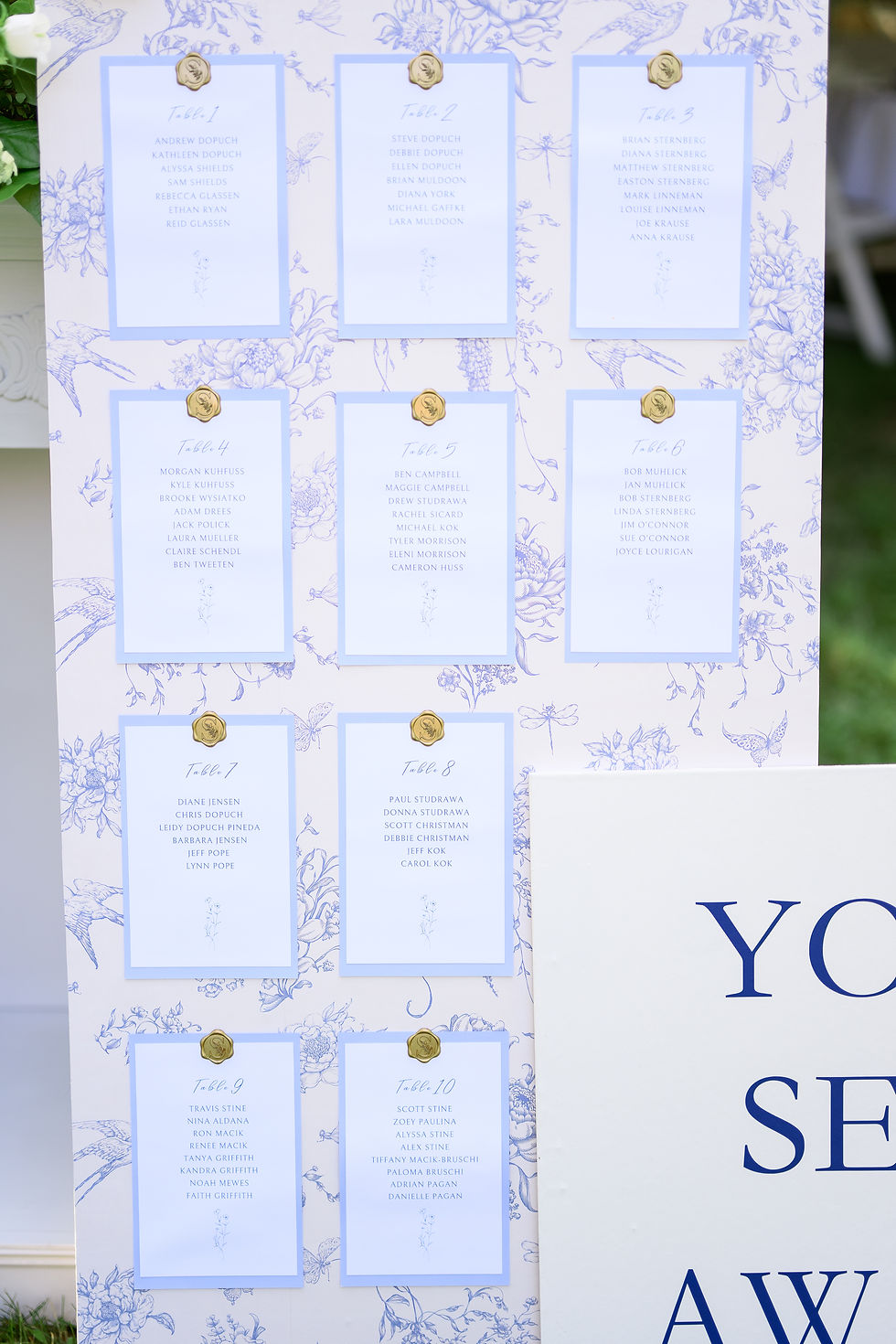
The Best Wedding Seating Charts Feel Invisible
The best wedding seating charts usually are not the most elaborate.
They are the ones where:
guests settle in quickly
conversations happen naturally
people feel comfortable
the room feels connected
When a seating chart works well, people rarely stop and think about it directly.
They just feel more relaxed in the room.
And honestly, that is usually the goal.
Planning a Wedding That Feels Good to Be At
At Redwood Weddings, we believe great wedding planning goes beyond timelines and logistics.
We plan weddings around how people actually move, gather and experience the day.
Because the details guests remember most are usually the ones that made the wedding feel easy to be part of.
If you’re currently planning your wedding reception seating chart, you may also enjoy:
And if you’re looking for support planning a wedding that feels thoughtful, calm and genuinely enjoyable to experience, reach out!



Comments